Last-Mile Delivery Revolution: How Australian Cities Are Adapting to E-commerce Growth
Last-Mile Delivery Revolution: How Australian Cities Are Adapting to E-commerce Growth
The final stretch of the delivery journey—from distribution center to customer's door—has become the most critical and challenging aspect of modern logistics. Australian cities are at the forefront of last-mile delivery innovation, developing solutions that address urban congestion, customer expectations, and environmental concerns.
The Urban Challenge
Australia's major cities face unique last-mile delivery challenges. Sydney's narrow streets and limited parking, Melbourne's complex lane ways, and Brisbane's sprawling suburban layout each require different approaches to efficient delivery.
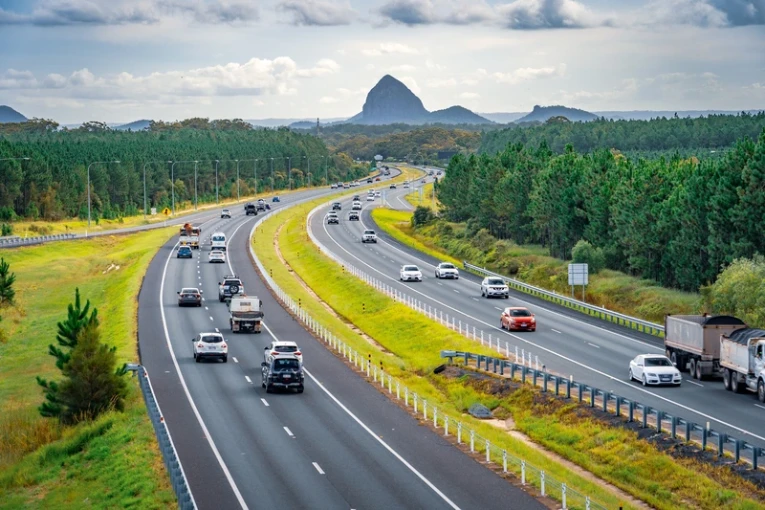
Traffic congestion costs Australian businesses billions annually, with delivery vehicles contributing to urban gridlock. The challenge is compounded by increasing consumer expectations for faster delivery times and flexible delivery options.
Micro-Fulfillment Centers Transform Urban Logistics
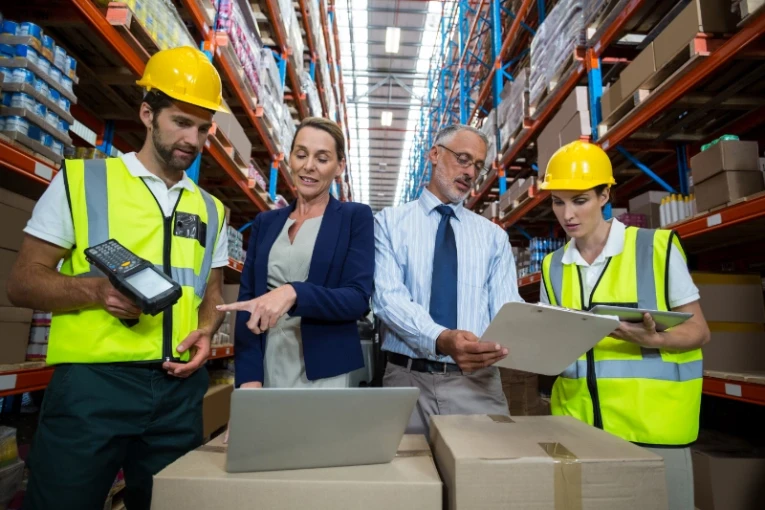
Australian retailers are establishing micro-fulfillment centers in suburban locations, bringing inventory closer to customers. These smaller facilities, often located in converted retail spaces or purpose-built urban warehouses, enable same-day and next-day delivery across metropolitan areas.
In Sydney's western suburbs, these centers serve as staging points for deliveries across the greater metropolitan area. Similar facilities in Melbourne's outer suburbs are reducing delivery times to regional Victoria while maintaining cost-effective operations.
Electric Vehicles Leading the Green Revolution
Australian cities are embracing electric delivery vehicles as a solution to both environmental concerns and urban noise pollution. Electric vans and bikes are particularly effective for last-mile delivery, offering lower operating costs and zero emissions in urban areas.
Perth has emerged as a leader in electric delivery vehicle adoption, with several major logistics companies operating fully electric fleets for inner-city deliveries. The city's abundant solar energy makes electric vehicles particularly cost-effective and environmentally friendly.
Smart Locker Networks Expand Access
Parcel locker networks are transforming how Australians receive deliveries, particularly in high-density urban areas and apartment complexes. These automated systems allow customers to collect packages at their convenience while reducing failed delivery attempts.
Major shopping centers across Australia now feature smart locker installations, creating convenient pickup points that integrate with public transport networks. This approach is particularly effective in cities like Adelaide and Canberra, where shopping centers serve as community hubs.
Drone Delivery Trials Show Promise
Australia's regulatory environment has enabled extensive drone delivery trials, with several companies testing autonomous delivery systems in urban and suburban areas. These trials are exploring applications from medical supply delivery to routine e-commerce shipments.
Regional Australian cities are proving ideal testing grounds for drone delivery, with less complex airspace and supportive local communities. Successful trials in cities like Toowoomba and Ballarat are informing broader deployment strategies for urban areas.
Collaborative Delivery Models
Innovative partnerships between retailers, logistics providers, and local businesses are creating new last-mile delivery solutions. Corner stores, cafes, and service stations are becoming pickup points, creating convenient options for customers while supporting local businesses.
These collaborative models are particularly effective in Australia's suburban areas, where traditional retail locations can serve as delivery hubs for surrounding residential areas. This approach reduces delivery costs while providing additional revenue streams for local businesses.
Future Outlook
As Australian cities continue to grow and e-commerce adoption increases, last-mile delivery will become increasingly sophisticated. The integration of AI, IoT, and autonomous technologies promises to create more efficient, sustainable, and customer-focused delivery networks that serve Australia's unique urban landscape.